
Complete Dentures Edmonton
Custom-crafted Dentures
Upper and lower dentures.
Designed to look natural, feel secure, and get you back to eating, talking, and smiling.
Same-Day Appointments
On-Site Lab
Free Consultations
What are Complete Dentures?
Custom-made removable dental prosthetics
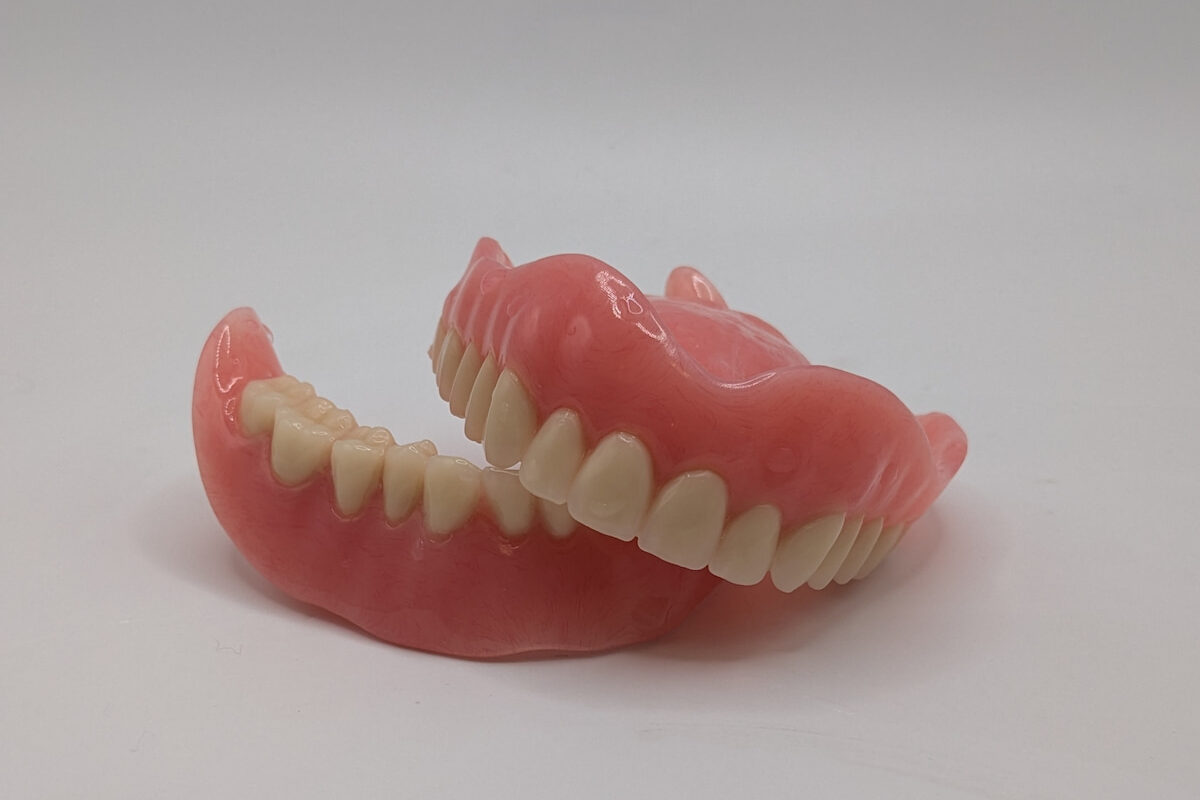
Complete dentures are custom-made removable dental prosthetics that replace all of your natural teeth in the upper jaw, lower jaw, or both. Each denture is built on a durable, gum-coloured acrylic base with denture teeth selected to match your natural shape, size, and shade — so the result looks like you, not like “a denture.”
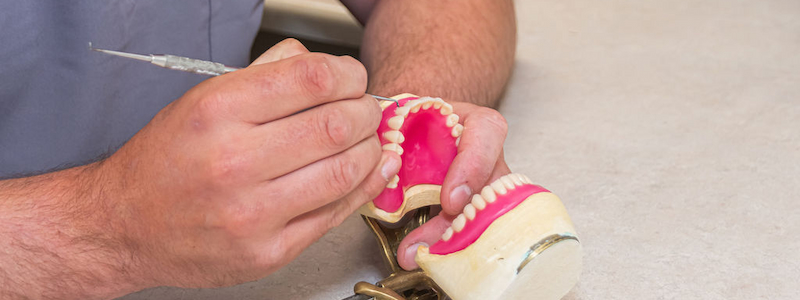
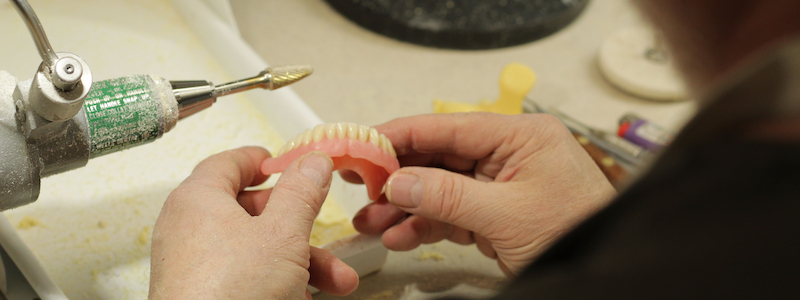
Every complete denture we make is fitted to your bite, facial structure, and appearance — not mass-produced or adjusted from a generic mould.
Do you need Complete Dentures?
How to know if complete dentures are right for you
You don’t need to have already lost every tooth to be a candidate. Does this sound like you or someone you know?:
What’s the difference between complete dentures, partial dentures, and implants?
If you still have some healthy teeth remaining, complete dentures may not be your only option.
Partial dentures can restore just the teeth you’re missing while keeping your natural teeth in place, and implant-supported dentures add extra stability if a traditional denture moves too much.
At your consultation, we’ll walk through which option actually fits your mouth and your goals — not just the most common one.
Benefits of Complete Dentures
For most patients the difference is noticeable within the first few weeks of wearing properly fitted dentures.
Missing teeth affect more than what you see in the mirror. They change how you eat, how you speak, and often, how confident you feel walking into a room. Complete dentures are built to reverse all of that.
With well-fitted complete dentures, you can expect to:
- Restore your smile’s appearance — with teeth shaped and shaded to look natural
- Support your lips, cheeks, and facial profile, which can sink or sag after tooth loss
- Speak more clearly — speech is often affected by missing teeth
- Chew more comfortably, opening up foods that had become difficult or painful
- Feel more confident in social and professional settings, without thinking twice about your smile
What to Expect, Step by Step
Getting complete dentures
Getting complete dentures isn’t a single appointment — it’s a process built around getting the fit, bite, and look exactly right before anything is finalized.
The Process

Consultation, Exam & Impressions
We assess your mouth, discuss your goals for fit and appearance, and build a treatment plan specific to you. We take preliminary impressions of your gums

Final Impressions
We take precise impressions of your gums in a custom made tray with a silicone material.

Bite
We use wax blocks made to fit your mouth to record important information.

Final Fitting
Your finished dentures are placed, checked for comfort and function, and fine-tuned on the spot.

Follow-Up Care
We schedule a check-in visit to catch and adjust any sore spots or fit issues as your mouth adapts.
The Adjustment Period
Will new dentures feel strange at first?
Yes — and if no one’s told you that yet, it’s worth saying plainly: almost every new denture wearer goes through an adjustment period. It doesn’t mean something went wrong.
Is it normal for new dentures to feel loose at first?
Yes. Your cheeks, tongue, and facial muscles need time to learn to hold the denture in place — especially a lower denture, which relies on the gum ridge rather than suction. This usually improves noticeably within the first few weeks. If looseness persists past the adjustment window, come back in — a small adjustment or reline usually solves it.
How long does it take to get used to complete dentures?
Most people feel substantially more comfortable within a few weeks. Eating softer foods cut into smaller pieces, practising speech by reading out loud, and wearing the dentures consistently all speed things up. Everyone adapts at their own pace — there's no deadline.
What if something feels wrong — not just “new”?
If your dentures cause sore spots, rub uncomfortably, or stay loose after the initial adjustment window, that's not something to push through. It usually means a small adjustment is needed — which is exactly what your follow-up visit is for. If a looser fit becomes an ongoing issue, a reline can restore a snug fit without replacing the denture.
Options & Materials
Choosing the Right Fit and Finish for You
Not every complete denture is built the same way, and the right choice depends on your budget, your bite, and how much stability you need day to day. We’ll walk you through material and finish options during your consultation — including how tooth shape, shading, and acrylic quality affect both appearance and durability — so you’re choosing with full information, not guessing.
Cost of Complete Dentures
What do complete dentures cost in Edmonton?
The final cost of complete dentures depends on materials, level of customization, and the complexity of your case. During your consultation, we’ll give you a clear, itemized quote before any treatment begins — no surprise costs partway through. The best way to get an accurate quote is to see us for a free consultation.
Daily Care
Keeping your new smile in great shape
A little daily care goes a long way toward keeping your dentures comfortable, clean, and lasting as long as possible.
How long do complete dentures last?
With good care, complete dentures typically last several years. Your mouth and jawbone naturally change shape over time — which is normal, and part of why periodic relines or adjustments (not necessarily a full replacement) keep the fit comfortable long-term.
Free consultation
A free consultation is the easiest way to find out what solution is best for you.
We’ll let you know exactly what’s going on — no pressure, no commitment.